Industry insights, market outlook reports and commercial real estate
news, and trends from the Coldwell
Banker Commercial brand.

Some businesses are incredibly seasonal. Ice cream shops or retail shops in resort areas, for example, depend heavily on the revenue they generate in the summer months. Securing a good lease for these months can help greatly contribute to the success of your business's small window during the year.
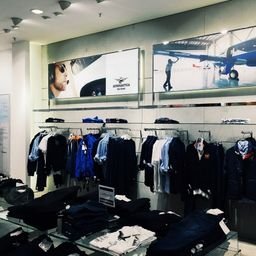
The retail landscape has been changing for quite some time with the largest impact coming from online retailers and more purchases being made on the internet. In fact, in just the 3 years between 2010 and 2013 the number of store visits dropped from 34 billion visits to 17.6 billion visits according to Elite Wealth Management.
The retail sector has seen some dramatic shifts in the past years as technology and the presence of online shopping continues to evolve and grow. Technology and online shopping has even driven some strictly brick and mortar retailers like Borders to go out of business.

Recently, Amazon unveiled their newest concept called Amazon Go. While Amazon has taken over and changed the face of many industries, most notably books, they have been looking to get into grocery.

While big investors like General Growth Properties and Simon Property Group are shifting their focus to prime properties in desirable locations —those that offer heavy foot traffic and are command the attention of high-end retailers— doors are opening for smaller investors who believe in the value of second-tier malls.

By all estimates, the back-to-school season will have pulled in more than $75 billion dollars. It is second only to holiday shopping in the highest grossing retail season. With more consumers shopping via mobile than ever before, where can retailers expect to see the highest sales this holiday; online or in store retail?
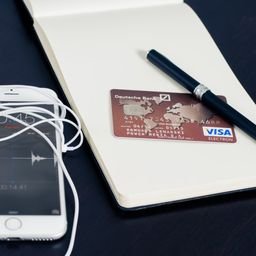
If you can attract customers to your store through their mobile devices, you are reaching an audience that looks at their phones all day long and carries them everywhere they go. When they’re bored, while they’re taking the train to work, they are checking their phones and surfing online.

Retailers face significant challenges with the reverse supply chain due to the rise of e-commerce and free returns, impacting their bottom line and requiring innovative solutions to manage returns efficiently.
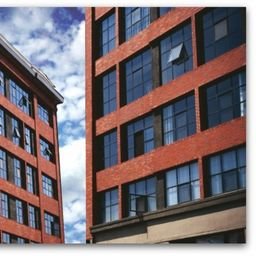
Recent years have seen a boost in repurposing projects for underutilized industrial properties around the country. This has positive effects on areas that had become urban “dead zones,” breathing new life into disused neighborhoods.
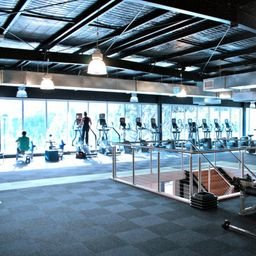
You’ve seen the signs. In most every city in the country, a new type of fitness facility has been cropping up offering specialized services. The boutique fitness concept is a major trend, and has an impact on the CRE market.